

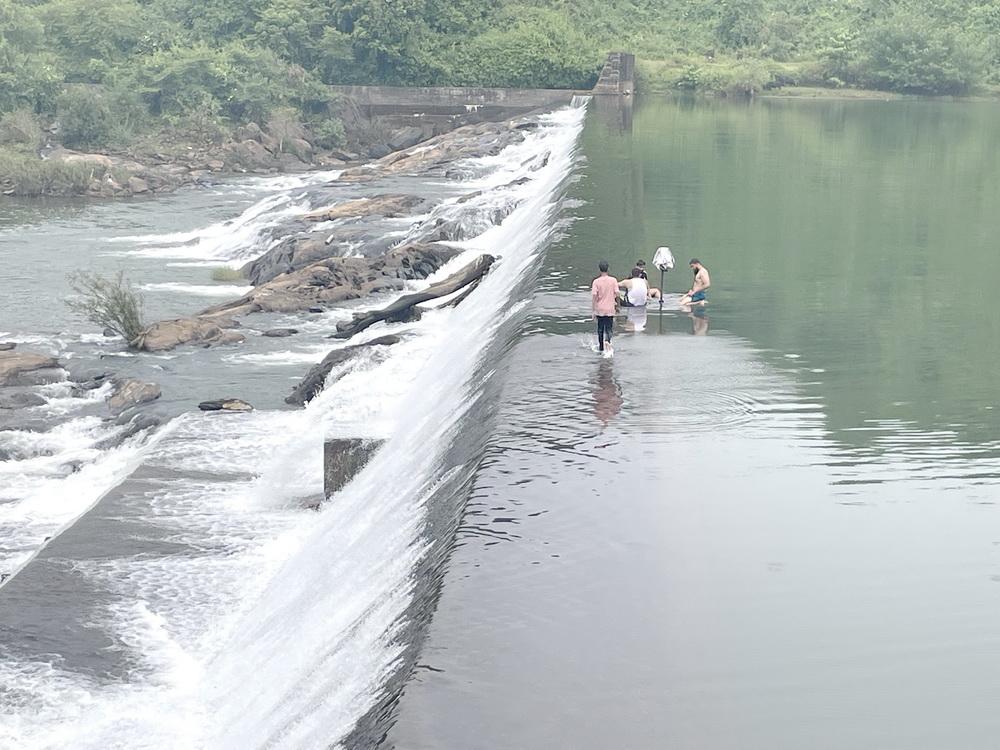
Bhatkal: Bhatkal, a coastal town in Karnataka’s Uttara Kannada district known for its heavy monsoon rainfall, is facing an unusually dry monsoon this year, with a sharp decline in water inflow into the Kadavinakatte dam raising concerns over drinking water supplies, agriculture and livestock.
The town, often described as the “Cherrapunji of Karnataka”, has recorded annual rainfall of 5,000–5,500 mm in recent years. However, this year's rainfall is unlikely to reach even half that level, despite the monsoon season nearing its end. The normal annual rainfall for the region is 4,152.3 mm, a target that is now considered difficult to achieve even with the remaining post-monsoon showers.
The Kadavinakatte dam, which supplies water to a large part of Bhatkal, has seen a significant drop in inflow. Orchards along streams are increasingly depending on stream water for irrigation, with pumps reportedly being used at several locations to draw water for plantations. This could put further pressure on water availability for Bhatkal town and surrounding areas.
The rainfall deficit has also put paddy cultivation at risk. An estimated 2,000–2,500 hectares across Bhatkal taluk have been brought under paddy, much of it dependent on rainfall. With fields drying up and temperatures rising, young paddy plants are at risk of withering, particularly on elevated rain-fed land.
The shortage of rain has also affected the growth of grass and other vegetation, leaving farmers concerned about fodder availability for cattle in the coming months. With grazing areas drying up, some livestock may have to be moved towards the Western Ghats in search of green fodder.