

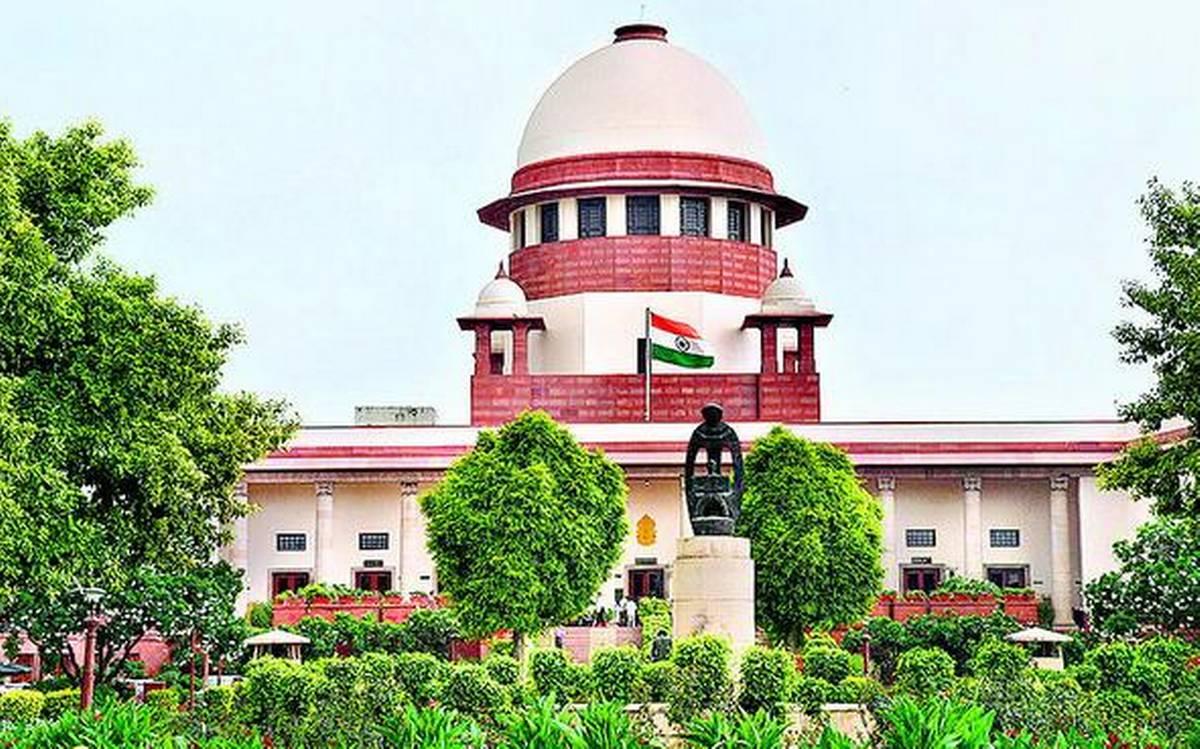
New Delhi: A five-judge Constitution Bench of the Supreme Court on Wednesday (September 3) continued hearings on a Presidential reference concerning the powers of Governors and the President in granting assent to Bills passed by State legislatures, The Hindu reported.
Three Opposition-ruled States — West Bengal, Himachal Pradesh, and Karnataka — strongly opposed the idea that Governors could indefinitely withhold Bills. They argued that law-making rests entirely with the legislature and Governors have no role beyond their constitutional mandate.
Senior advocate Kapil Sibal, representing West Bengal, maintained that once a Bill is sent to the Governor, it must be dealt with. He pointed out that while the Centre can nullify a State law or courts may strike it down, the will of the legislature must be respected.
Former Union Minister Anand Sharma, appearing for Himachal Pradesh, argued that neither the President nor Governors summon legislatures on their own initiative, as such processes are initiated by the Parliamentary Affairs Minister. He stressed that allowing Governors to withhold Bills would disrupt the balance of constitutional functions.
Representing Karnataka, senior advocate Gopal Subramanium cited an earlier Supreme Court ruling, asserting that there cannot be a dyarchy in the States, with Governors and elected governments exercising parallel authority.
The hearings stem from a 14-point reference sent by President Droupadi Murmu in May, seeking clarity on whether courts can prescribe timelines for Governors and the President to decide on State Bills.
Recap of Previous Hearing (September 2):
During Tuesday’s session, three judges on the Bench — Chief Justice B.R. Gavai and Justices Vikram Nath and P.S. Narasimha — orally remarked that Governors cannot keep Bills pending indefinitely. Justice Narasimha noted, “No organ can impair the functioning of the Constitution.”
On the same day, Tamil Nadu, represented by senior advocates A.M. Singhvi and P. Wilson, argued that Governors “cannot assume to be royalty in a Republic,” while West Bengal’s Kapil Sibal said high constitutional offices must act collaboratively rather than combatively.